Digital Watercolor Floral Designs Review
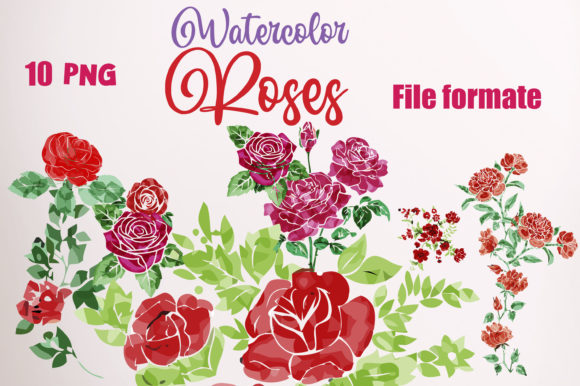
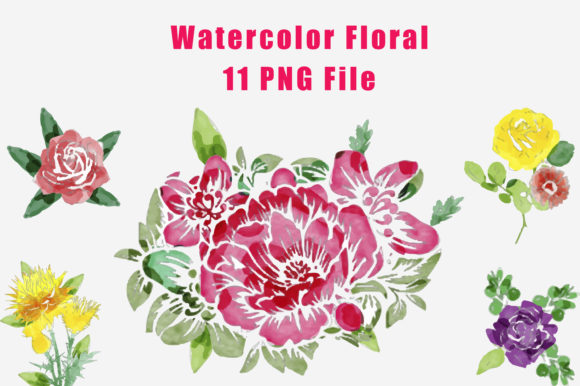
As someone who has spent years turning digital files into tangible, stitched treasures, I approach every new Digital Watercolor Floral Designs collection with a mix of excitement and skepticism. The market is flooded with graphics that look stunning on a screen but fall apart under the needle. This specific collection of 11 hand-painted watercolor elements promises a soft, artistic vibe, but does it translate well to real-world embroidery? I put these files through the wringer, testing them against the rigorous demands of custom apparel, boutique products, and personalized gifts to see if they are truly ready for your next project.
The First Impression: Softness Meets Structure
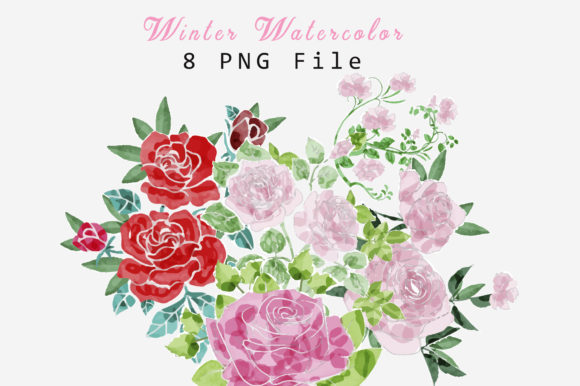
When you first open the Digital Watercolor Floral Designs folder, the mood is immediately established. Unlike the rigid, geometric vector art that dominates many commercial bundles, these illustrations bring a sense of organic flow and gentle movement. The watercolor aesthetic suggests a delicate touch, which is perfect for creating a handmade product that feels personal rather than mass-produced. For an embroidery designer, the visual personality here is key; it screams "boutique quality" and "artisanal care."
The layout of the 11 distinct elements offers versatility without overwhelming the eye. Each floral motif seems designed to stand alone as a statement piece or to be grouped for a more complex composition. However, before you start hooping fabric, you must consider how this illustrations category translates to thread. The beauty of watercolor lies in its subtle gradients and bleeding edges, but machine embroidery relies on distinct shapes and stitch paths. The challenge is capturing that softness without losing definition in the final finished product.
Real-World Application: From Screen to Stitch
I recently had a client request a custom embroidered tote bag for a local flower shop. They wanted something unique, not just a standard logo. I pulled up the Digital Watercolor Floral Designs set, specifically looking at the larger blooms. The goal was to create a design that felt like a painted canvas brought to life by thread. When I mapped out the stitch density and selected the appropriate thread colors, the potential became clear. The soft edges of the watercolor style work beautifully when rendered with a combination of satin stitch for outlines and fill stitch for the petals, mimicking the texture of paint on paper.
This collection shines brightest on items where the design can breathe. A large apron, a cozy sweatshirt, or a pillow cover provides ample space to let the 11 elements shine. Imagine a set of matching kitchen towels featuring different flowers from this bundle; the variety allows for a cohesive yet dynamic look that customers love. For an Etsy seller or small business owner, these designs are goldmines for creating gift sets. The "hand-painted" feel adds perceived value, making a simple embroidery file feel like a premium asset.
I also tested the concept on baby clothes. The gentle nature of the watercolor theme fits perfectly with nursery decor or baby onesies. There is something inherently trustworthy about a floral design that doesn't look harsh or overly busy. It creates a warm, welcoming atmosphere that parents appreciate. However, the success of this embroidery project depends entirely on execution. If the stitches are too dense, the fabric might pucker, ruining the delicate illusion of the watercolor effect.
Navigating the Pitfalls: Where Caution is Key
While the aesthetic is lovely, not every surface is suitable for this type of digital embroidery file. I have seen talented designers struggle when trying to apply soft, detailed graphics to small hoop sizes or highly textured fabrics. If you are planning to use Digital Watercolor Floral Designs on a cap or a curved hat, proceed with extreme caution. The curvature of a cap can distort the fine details of the watercolor style, causing the petals to blend together in a way that looks muddy rather than artistic.
Similarly, thin or stretchy fabrics like lightweight t-shirts or silk blends require careful stabilizer selection. The natural flow of these designs often requires a bit of weight to hold the shape, but too much stabilizer can make the garment stiff. Dark fabrics present another hurdle. Watercolor art relies on light and shadow, and stitching light threads on dark fabric can sometimes lose the subtlety of the original graphics. You may need to adjust your color palette significantly to ensure the design pops while maintaining its character.
Another area to watch is the level of detail. While the watercolor style is soft, some of the smaller elements in the collection might get lost if the hoop size is too small. Tiny lettering or intricate corners within the floral shapes can become indistinguishable blobs after stitching. Always inspect the small details before committing to a production run. If the design includes decorative accents that are too fine, they might not survive frequent washing, especially on items like tote bag design projects that see heavy daily use.
Impact on Brand and Customer Trust
In the world of handmade products and craft business, presentation is everything. Using high-quality design assets like this collection elevates your brand consistency. When a customer receives a personalized gift that features a beautifully executed watercolor-style embroidery, it signals professionalism and attention to detail. It builds trust that you care about the quality of the commercial embroidery you deliver.
For sellers listing items on Etsy or running a small shop, the visual appeal of the design directly influences buyer engagement. A mockup showing the Digital Watercolor Floral Designs on a high-quality linen shirt will attract more clicks than a generic pattern. The unique look helps your products stand out in a crowded marketplace. However, remember that the finished product must match the digital preview. If the stitching looks sloppy or the colors are off, the perceived value drops instantly.
Practical Designer Notes for Success
Before you start stitching, there are critical steps you must take to ensure the Digital Watercolor Floral Designs perform as expected. First and foremost, test the design on scrap fabric that matches your intended project material. This allows you to check the thread color contrast and see how the fabric texture interacts with the stitches. You might find that a slightly different shade of blue thread works better to mimic the watercolor wash than the default suggestion.
Review the stitch density carefully. If the design is too dense, it will create a hard, plastic-like feel that contradicts the soft watercolor theme. Conversely, if it is too sparse, the image may lack body. Confirm the hoop size required for each element to avoid unnecessary trimming or repositioning. Inspect the small details to ensure they are legible and structurally sound. It is also wise to test the design in black and white mockups to verify that the contrast holds up even if the color vibrancy shifts in the final thread choice.
Don't forget to check the licensing terms. While the description mentions buying files for yourself, friends, family, or anyone else, you must confirm whether you are allowed to sell finished items made from these embroidery files. Some licenses restrict commercial use, while others allow it with attribution. Verify this before listing your products on Etsy or using them for small shop product lines. Finally, ensure you are using the proper stabilizer for your fabric type to prevent puckering and maintain the integrity of the applique design or satin stitch areas.
Ultimately, Digital Watercolor Floral Designs offer a fantastic opportunity to add a touch of elegance and artistry to your embroidery work. By understanding their strengths and respecting their limitations, you can create stunning custom apparel, beautiful holiday embroidery, and memorable embroidered patches that your customers will cherish. With careful planning and a keen eye for detail, this collection can be a cornerstone of your creative portfolio.