Watercolor Floral Clipart Design: Graphics & Illustrations Review
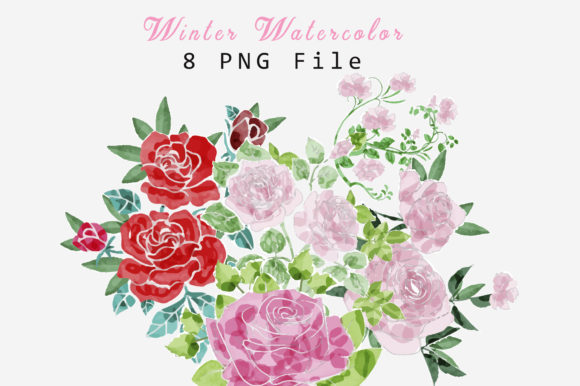
In my years as a brand designer, I have reviewed countless digital assets for small business branding projects. Recently, I examined Watercolor Floral Clipart Design, a collection of eight hand-painted watercolor elements intended for use in illustrations and graphics. When I first opened the files, the immediate impression was one of organic warmth and delicate craftsmanship. This is not a rigid, vector-heavy asset; it feels alive, soft, and distinctly handmade. The mood it creates is perfect for brands that want to communicate authenticity, care, and a touch of rustic elegance.
This specific graphic design asset suggests a brand personality that is friendly yet sophisticated. It leans heavily into the "handmade" aesthetic without feeling amateurish. For a local business owner or a creative entrepreneur, this visual language bridges the gap between professional polish and personal touch. It is ideal for businesses that sell tangible products where the story behind the creation matters as much as the product itself.
Real-World Application: A Boutique Bakery Branding Project
To understand the true value of these digital files, imagine a real scenario: a local artisanal bakery launching a new line of gluten-free pastries. The owner needs packaging that stands out on a crowded shelf but still feels inviting and homey. They need a cohesive look for their social media graphics, thank-you cards, and product labels. This is where Watercolor Floral Clipart Design becomes a strategic tool rather than just decoration.
The eight distinct elements in this collection offer enough variety to create a full brand identity system. You can use a larger floral bloom as a hero graphic on a website banner or a large promotional flyer. Smaller accents from the set can frame the bakery's logo on a circular sticker applied to cupcake boxes. The watercolor texture adds depth that flat colors often lack, giving the packaging a premium feel that customers associate with higher quality ingredients.
Elevating Product Labels and Packaging Design
For food businesses, skincare brands, or candle makers, the product label is often the first physical interaction a customer has with the brand. Using Watercolor Floral Clipart Design here transforms a standard label into a piece of art. The soft edges of the watercolor flowers soften the overall visual hierarchy, making the text easier to read while adding emotional appeal. This is crucial for building customer trust; when packaging looks polished and thoughtful, customers assume the contents are equally well-crafted.
Consider the versatility of these graphics. They work beautifully as decorative borders on price lists, hang tags for clothing boutiques, or inserts inside gift boxes. Because they are digital files, you can scale them up for large posters or down for tiny product stickers without losing the artistic integrity of the brushstrokes. This flexibility makes them an excellent choice for seasonal campaign visuals, such as holiday-themed packaging or spring collection launches.
Supporting Social Media and Marketing Visuals
Beyond physical products, this asset supports digital marketing efforts significantly. In the world of social media management, visual consistency is key. These illustrations can serve as background elements for Instagram stories, overlays for promotional ads, or decorative frames for blog headers. When used alongside a clean sans-serif font for headlines and a handwritten script for quotes, the watercolor flowers provide the perfect balance of structure and whimsy.
The collection helps create stronger first impressions in a crowded feed. A plain white background with a single, vibrant watercolor flower draws the eye immediately. It signals that the brand cares about aesthetics and attention to detail. Whether you are designing a Canva template for a client or creating custom editorial design layouts, these graphics add a layer of sophistication that generic clipart simply cannot match.
Strategic Placement and Design Considerations
While the potential of Watercolor Floral Clipart Design is high, a professional brand designer knows that context is everything. There are specific scenarios where these assets shine and others where they might detract from the message. Understanding where to place these graphics is essential for maintaining a strong brand identity.
- Where it works best: Use these elements on product labels for organic foods, boutique store signage, and thank-you cards included in orders. They excel as hero graphics on landing pages and as decorative accents on menu boards for cafes. They are also perfect for creating printable designs like wall art or greeting cards for handmade sellers.
- Where to use carefully: Avoid using these soft, detailed illustrations for formal corporate branding or luxury minimalist brands that rely on stark negative space. Be cautious when placing them on very small labels where the fine details of the watercolor might blur or become indistinguishable. Do not let the decoration compete with important legal information or ingredient lists on product packaging. If your brand requires a bold, geometric, or industrial look, these organic flowers may clash with your visual goals.
Practical Designer Notes for Implementation
Before integrating this graphic design asset into a commercial project, there are several technical checks every designer should perform. First, test the files on real packaging mockups. Seeing the design on a flat screen is different from seeing it printed on matte paper or glossy cardboard. Check how the black and white usage translates if you plan to print in monochrome or foil stamping.
Preview the design at the actual size it will be used. Small labels require simplified versions of the illustration so that the text remains legible. Test the PNG transparency against various background colors to ensure the edges blend seamlessly. If the file includes SVG or vector editability, inspect the paths to see if you can adjust the curves or colorize the flowers to match your specific brand palette exactly.
Typography pairing is another critical step. Compare the watercolor style with serif fonts for a classic look, sans-serif fonts for modernity, or script fonts for a romantic vibe. Ensure the weight of the font complements the lightness of the watercolor strokes. Finally, confirm the commercial license before using these files for client work, business branding, or physical product sales. This ensures you are legally protected when selling goods featuring these illustrations.
Conclusion: A Versatile Tool for Creative Entrepreneurs
Ultimately, Watercolor Floral Clipart Design offers more than just pretty pictures; it provides a foundation for authentic storytelling. For local business owners and marketers looking to elevate their product presentation, these illustrations offer the perfect blend of charm and professionalism. By thoughtfully applying these graphics to packaging, promotional materials, and digital channels, you can create a cohesive brand experience that resonates with your audience.
Whether you are a handmade seller looking to upgrade your shop's visual identity or a packaging designer seeking unique elements for a client, this collection of eight hand-painted watercolor elements delivers significant value. It transforms ordinary products into memorable experiences, proving that the right graphic design asset can make all the difference in the success of a small business.