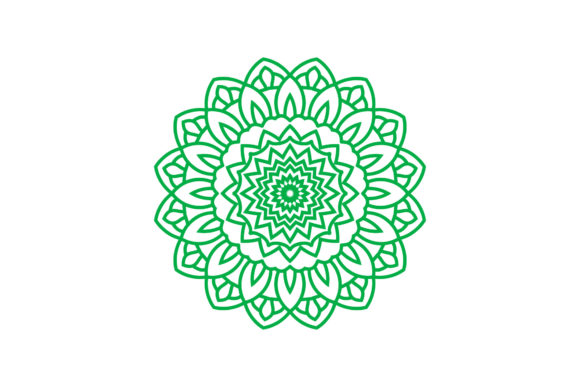
Mandala Floral: A Designer's Take on Real Embroidery Use
When I first opened the Mandala Floral vector design, my immediate thought wasn't about the file size or the technical specs. It was about where this pattern would live in a physical space. As someone who has spent years reviewing embroidery files for commercial clients and personal craft projects, I look for more than just pretty lines. I need to know if a design holds up under the tension of a needle, how it translates from a screen to fabric, and whether it adds genuine value to a handmade product.
The Mandala Floral graphic brings a distinct energy. It balances intricate detail with a cohesive circular structure that feels both organic and structured. For an embroidery designer, this is the kind of asset that sparks ideas for custom apparel, boutique branding, and personalized gifts. But does it work as a real-world machine embroidery design? Let's walk through exactly how I see this fitting into your workflow.
The First Stitch: Visual Impact and Mood
The layout of Mandala Floral suggests a project that demands attention without being overwhelming. The symmetrical nature of the mandala creates a focal point that works beautifully on larger canvas areas like tote bags, aprons, or pillow covers. When I imagine stitching this out, the radial symmetry guides the eye naturally to the center, creating a sense of harmony that customers love in home decor and nursery items.
In terms of visual personality, this design feels grounded yet elegant. It isn't overly trendy; it has a timeless quality that fits well within a brand focused on sustainability, wellness, or artisanal crafts. Whether you are an Etsy seller looking to create a best-selling listing or a small shop owner preparing holiday merchandise, the Mandala Floral graphic offers a versatile aesthetic. It bridges the gap between modern minimalism and traditional craftsmanship, making it suitable for everything from baby clothes to high-end corporate gifts.
Real-World Application: From Screen to Fabric
Let's talk about a specific scenario. Imagine you are prepping for a local craft fair and need to produce a line of custom embroidered tote bags. You want something that stands out on the shelf but doesn't require hours of manual digitizing. This is where Mandala Floral shines. Its vector nature means you can scale it to fit the entire front of a canvas bag perfectly.
However, the transition from digital to physical requires careful planning. On a sturdy cotton canvas tote, the design would likely hold its shape well, especially if you use a satin stitch border to define the outer edges. The internal details, depending on their density, could be rendered using a combination of fill stitch for the solid floral elements and running stitch for delicate connecting lines. This mix creates texture, adding depth that flat printing simply cannot achieve.
I also envision this design thriving on sweatshirts. A large, centered mandala on the back of a hoodie creates a statement piece. The circular form complements the drape of the fabric, wrapping slightly around the body without losing its integrity. For smaller items like caps or patches, the challenge increases. While the design is scalable, the smallest loops in the mandala might get lost if the hoop size is too tight. In those cases, simplifying the inner details or reducing the overall scale is often necessary to maintain clarity.
Navigating Challenges: Where Caution is Key
No design is perfect for every situation, and knowing where to apply caution is what separates a professional result from a frustrating one. With Mandala Floral, there are specific constraints you must consider before hitting "start" on your machine.
- Small Hoop Sizes: If you plan to embroider this on a baby onesie or a narrow pocket, the fine details in the mandala might become muddy. The resolution of the stitches could blur the intricate curves, turning a sharp design into a blob. Always test on scrap fabric to ensure the smallest elements remain distinct.
- Fabric Texture and Stretch: Embroidering on stretchy knits like t-shirt material requires extra stabilizer. Without proper support, the circular tension of a mandala can distort the fabric, causing puckering around the edges. Similarly, on textured fabrics like heavy wool or corduroy, the satin stitch may not lay flat, obscuring the design's definition.
- Dense Stitch Areas: If the vector includes very dense fill areas, the resulting thickness might make the garment uncomfortable against the skin. For products meant for babies or sensitive skin, lighter stitch density is crucial. You might need to adjust the thread count or switch to a lighter weight thread to prevent the fabric from becoming rigid.
- Dark Fabrics: Because this is a graphic design, the color contrast matters immensely. On dark backgrounds, you will need to evaluate your thread colors carefully. Light threads might get lost in the weave of dark denim or black fleece unless you use a high-density underlay.
Building Trust and Value with Finished Products
The ultimate goal of any embroidery project is to create a finished product that reflects well on your brand. A well-executed Mandala Floral design signals professionalism. Customers can tell the difference between a sloppy, stretched-out logo and a crisp, precise stitch job. When a client receives a personalized gift with a clean, detailed mandala, they perceive higher value, which encourages repeat business and positive reviews.
This design also enhances the "giftability" factor. The mandala theme is universally appealing and often associated with mindfulness and beauty. Whether you are selling a set of embroidered kitchen towels or a custom wedding favor, the Mandala Floral graphic adds a touch of sophistication. It elevates simple items into keepsakes, making them feel special rather than mass-produced.
For commercial embroidery projects, consistency is king. Using a vector-based source ensures that every iteration of the design looks identical, which is vital for maintaining brand identity across multiple products. From apparel decorators to digital product sellers creating printable mockups, having a resizable, editable file means you can adapt quickly to different client needs without losing quality.
Practical Notes for the Experienced Maker
Before you commit to a full production run, there are essential steps to take to ensure success. Even though the Mandala Floral vector is openable and editable, the final output depends entirely on your execution.
- Test on Scrap Fabric: Never start with your final product. Run a test on a similar fabric type to check for puckering, thread breaks, or detail loss.
- Review Stitch Density: Check the file settings. If the density is too high for the fabric weight, the needle might struggle to penetrate, leading to skipped stitches or fabric damage.
- Check Color Contrast: Create black and white mockups to see how the design reads without color. Does the negative space work? Is the outline clear?
- Inspect Small Details: Zoom in on the smallest curves. Can they be stitched clearly at the intended size? If not, simplify the vector paths.
- Confirm Licensing: If you intend to sell finished items featuring this design, verify the licensing terms provided with the download. Ensure you have the right to use it for commercial purposes.
- Select Proper Stabilizer: Match your stabilizer to the fabric. Heavy tear-away for stable wovens, cut-away for knits, and temporary spray adhesives for tricky surfaces.
The Mandala Floral vector is a robust tool for creative entrepreneurs. It offers the flexibility needed for diverse applications, from holiday embroidery projects to boutique branding. By understanding its strengths and respecting its limitations, you can transform a simple graphic into a stunning, tangible asset that drives engagement and builds trust with your audience.
Whether you are crafting a unique embroidered patch for a jacket or designing a series of digital embroidery files for sale, taking the time to evaluate the design's performance in real-life scenarios pays off. With careful preparation and the right technique, Mandala Floral can become a staple in your collection of design assets, helping you create beautiful, durable, and profitable handmade products.