Christmas Animals with Floral Wreath: A Real Designer Review
As someone who has spent years evaluating digital assets for physical production, I approach every new embroidery design with a mix of excitement and skepticism. The market is flooded with holiday graphics, but few actually translate well from a screen to a needle. Today, I am putting the Christmas Animals with Floral Wreath through its paces to see if it deserves a spot in my commercial workflow or if it belongs in a personal hobby project.
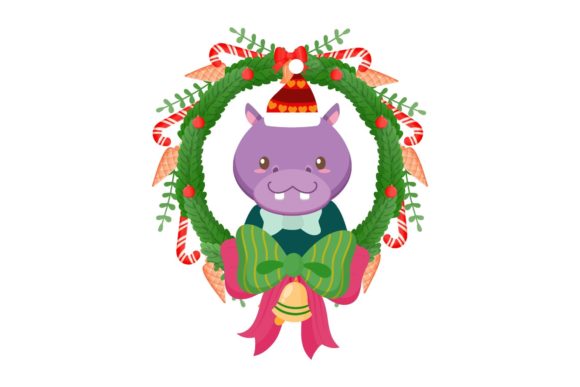
My first impression upon opening the files was immediate warmth. The layout strikes a balance between whimsical charm and structured elegance. Unlike many generic holiday designs that feel cluttered or overly cartoonish, this piece feels grounded. It creates a cozy, nostalgic mood that fits perfectly with the winter season. The visual personality suggests a high-quality boutique product rather than a mass-produced item. For an Illustrations category asset, the attention to detail in the animal features and the surrounding foliage gives it a premium feel that customers can instantly recognize as professional.
To truly understand the value of this embroidery file, I simulated a real-world scenario: preparing a custom embroidered tote bag for a local holiday craft fair. Imagine a customer walking into a booth looking for a unique, personalized gift. They need something that looks handmade but holds up to daily use. When I visualized the Christmas Animals with Floral Wreath stitched onto a sturdy canvas tote, the composition worked beautifully. The wreath shape frames the animals naturally, creating a focal point that draws the eye without overwhelming the fabric. This kind of design is exactly what an Etsy seller or small shop owner needs to elevate their brand consistency.
The versatility of this design extends far beyond just bags. In my review process, I considered how it would perform on various surfaces. On a soft sweatshirt embroidery project, the floral elements could add a nice textural contrast against the fleece. For baby embroidery items like booties or bibs, the gentle curves of the wreath are safe and appealing, avoiding sharp angles that might irritate sensitive skin. Even as a decorative accent on a kitchen towel or pillow cover, the design offers a touch of festive flair that feels appropriate for both home decor and commercial merchandise.
However, not every surface is a good match. There are specific scenarios where you must exercise caution. If you are working with a small hoop size, the intricate details within the wreath might get lost. Tiny stitches often struggle on textured fabrics or thin materials, leading to puckering or loss of definition. Similarly, attempting to stitch this on dark fabric without proper underlay or thread selection could result in muddy colors that fail to pop. Stretchy fabrics require extra care; while the design is static, the movement of the garment during wear can distort the stitching if the stabilizer isn't robust enough.
I also looked at how this design handles curved surfaces like caps. While the wreath shape is circular, which theoretically fits a cap front, the density of the fill stitches might cause issues if the curvature is too tight. For an embroidered patch application, the clean edges are beneficial, but you must ensure the backing material supports the weight of the design. In these cases, testing on scrap fabric is not just a recommendation; it is a necessity before committing to a final finished product.
When discussing visual appeal, the clarity of the stitches is paramount. A design like Christmas Animals with Floral Wreath relies heavily on the interplay between different stitch types. The potential for satin stitch on the outlines provides a crisp edge, while fill stitches create depth in the fur and leaves. Running stitches could be used effectively for fine details like whiskers or twig textures. If the stitch density is too high, the fabric may become stiff, reducing the drape of the garment. Conversely, if it is too low, the design might look sparse and cheap. This balance directly impacts customer trust; buyers expect a polished look that reflects the quality of the workmanship.
For those selling digital products or offering customization services, the presentation matters. A clear mockup of the design on a light background helps clients visualize the end result. When comparing light and dark fabric backgrounds, the contrast of the thread colors becomes critical. You want the animals to stand out against the greenery and the background alike. This attention to color theory ensures that your handmade product stands out in a crowded marketplace. Whether you are creating a holiday gift for a client or a line of boutique branding items, the professionalism of the stitch job speaks volumes about your business.
From a practical standpoint, there are several technical notes every designer should consider before starting a embroidery project. First, always check the file formats provided. The package includes AI, SVG, Transparent PNG, JPG, and EPS files, which is excellent for flexibility. However, you must verify the canvas size relative to your intended output. A 1920 px by 1280 px resolution is great for digital previews and large-scale prints, but for machine embroidery, you need to ensure the digitization matches your hoop dimensions. If the original digitization was done for a specific hoop size, scaling it up or down significantly can alter the stitch density and potentially ruin the design.
Another crucial step is reviewing the stitch density. High-density areas can lead to thread breaks or machine jams, especially on older machines. Inspect the small details closely; sometimes, lines that look distinct on a screen merge together when stitched. Using a black and white mockup can help you see these potential issues by removing color distractions. Furthermore, confirm whether the design works for both personal and commercial projects. Licensing terms vary widely, and using a design for resale without permission can lead to legal trouble for your craft business.
Stabilizer selection is equally important. For a design with a significant amount of fill stitch, like the floral wreath, a cut-away stabilizer is often preferred for durability, especially on items that will be washed frequently. A tear-away might suffice for lightweight fabrics, but for a durable tote bag design or a frequent-wear item, stability is key. Always test the thread color contrast on the actual fabric you plan to use. What looks vibrant on a monitor might appear dull in person due to lighting conditions or fabric weave.
In conclusion, Christmas Animals with Floral Wreath is a strong candidate for anyone looking to add a touch of seasonal magic to their portfolio. It possesses the right blend of detail and simplicity to work across a wide range of applications, from nursery decor to commercial apparel. Its strength lies in its adaptability and the warm, inviting atmosphere it creates. However, success depends entirely on execution. By respecting the limitations of the medium, choosing the right materials, and conducting thorough tests, you can transform this digital asset into a stunning physical reality.
Whether you are a seasoned pro or a hobbyist looking to expand your offerings, this design offers a solid foundation. Just remember to check the specific requirements for your machine and fabric type before you start stitching. With the right preparation, this machine embroidery design can become a centerpiece of your holiday collection, delighting customers and boosting your reputation for quality craftsmanship.